Guo Da Li (过大礼) Guide Singapore: Items, Costs & Traditions (2026/2027)
Plan Guo Da Li in Singapore with an items checklist, dialect-group differences, Hui Li, timing, realistic costs and a low-drama family process.
Guo da li, by dialect
What does your family bring?
Pick the bride's family's dialect. The gifts are for her family, so mixed-dialect couples usually follow hers.
Showing what every family brings. Pick a dialect to see its own items.
The groom's side brings
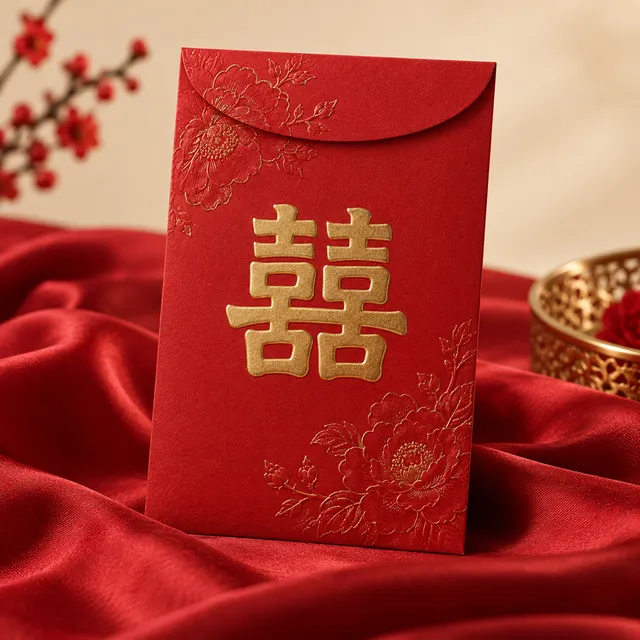
Pin jin (bride price)
聘金
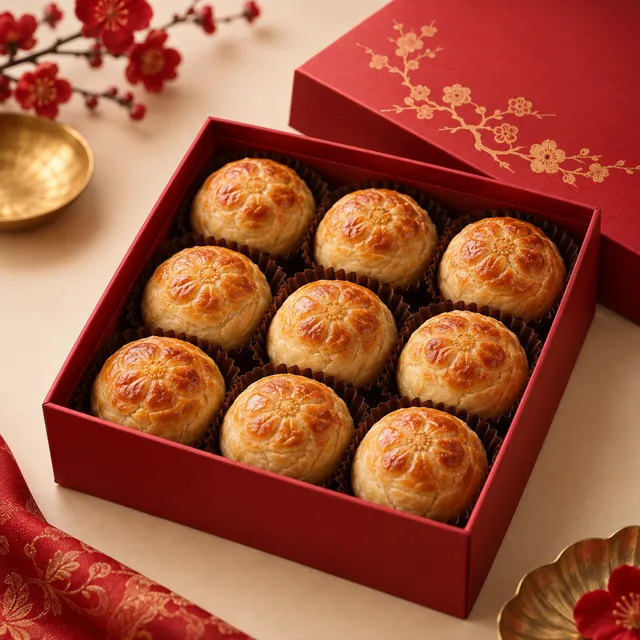
Xi bing (wedding pastries)
喜饼
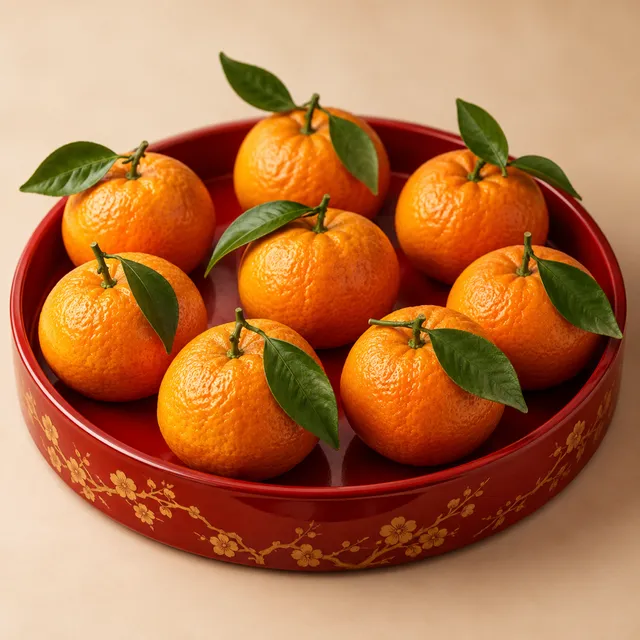
Oranges
柑
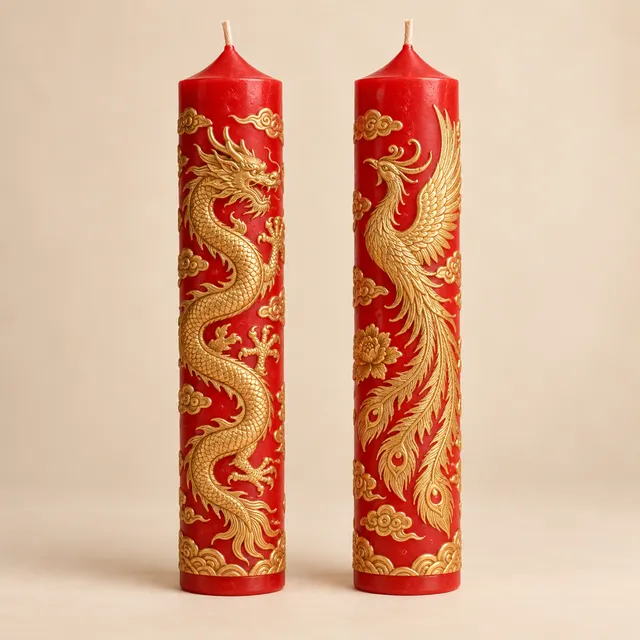
Dragon and phoenix candles
龙凤烛
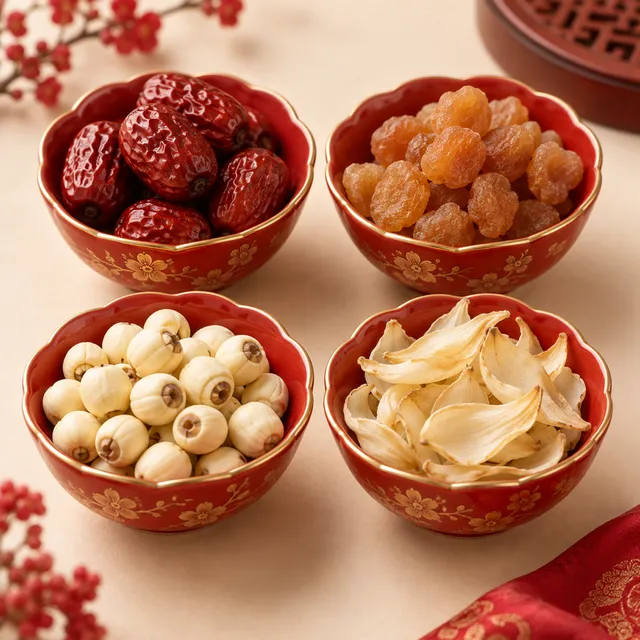
Dried goods assortment
干货
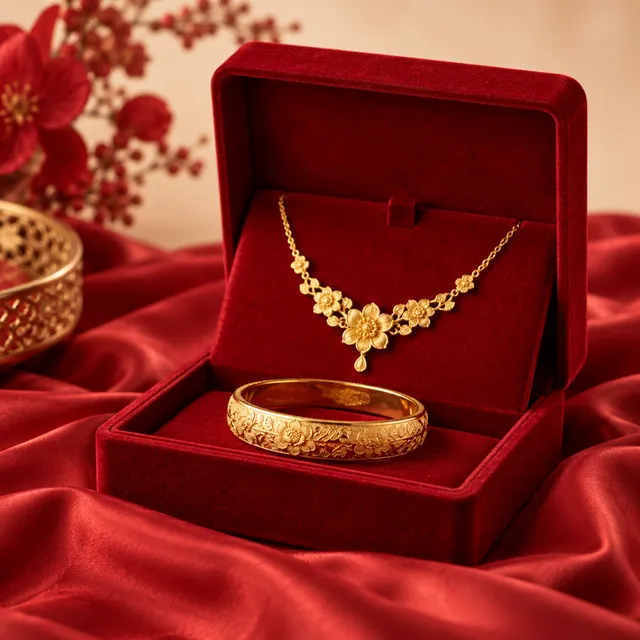
Jewellery for the bride
首饰
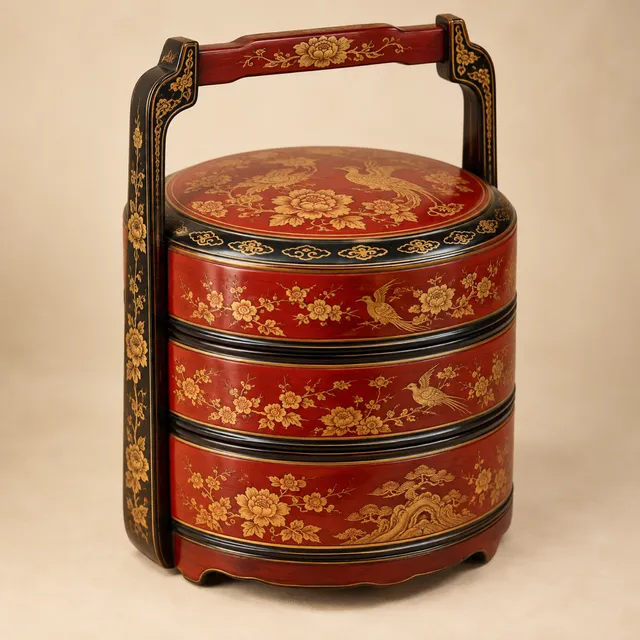
Red and black betrothal baskets
礼篮
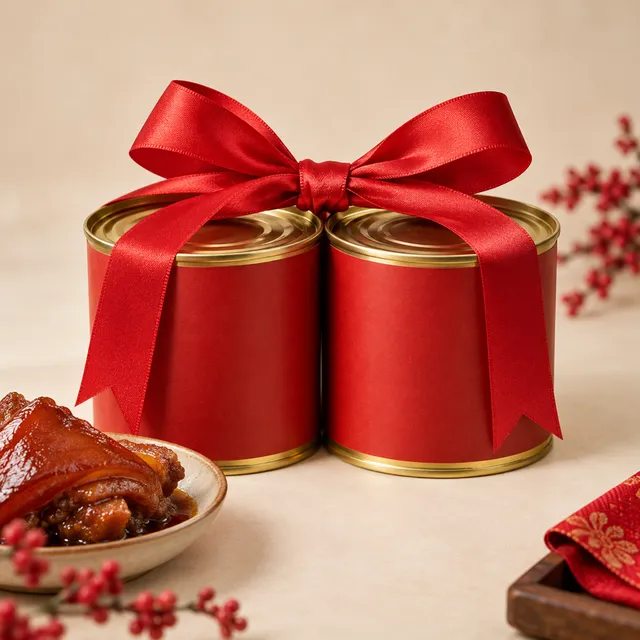
Pig trotters
猪脚
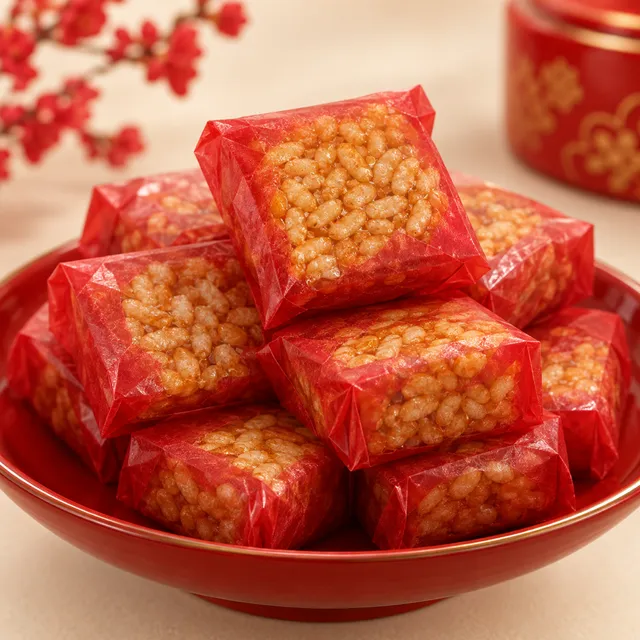
Rice candies
米香糖
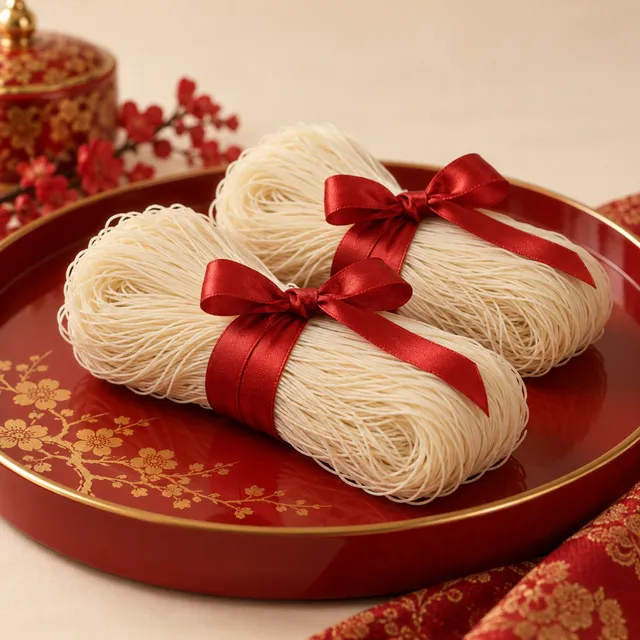
Mee sua (longevity noodles)
面线
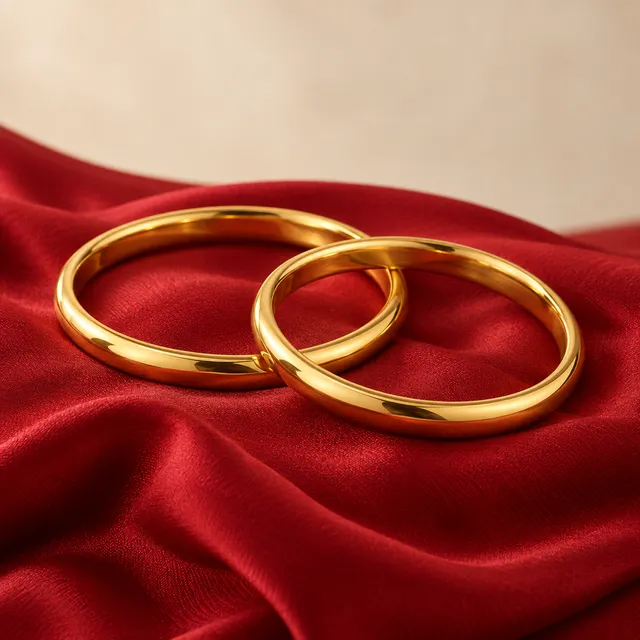
Pair of gold bangles
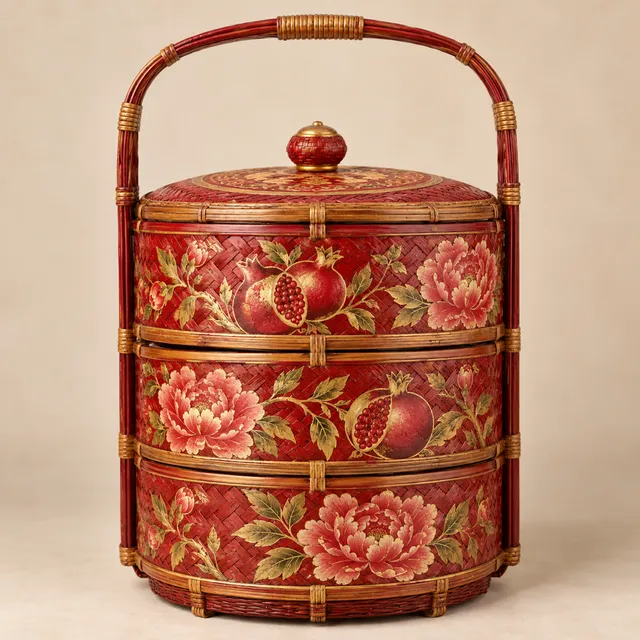
Ornate rattan betrothal baskets
礼篮
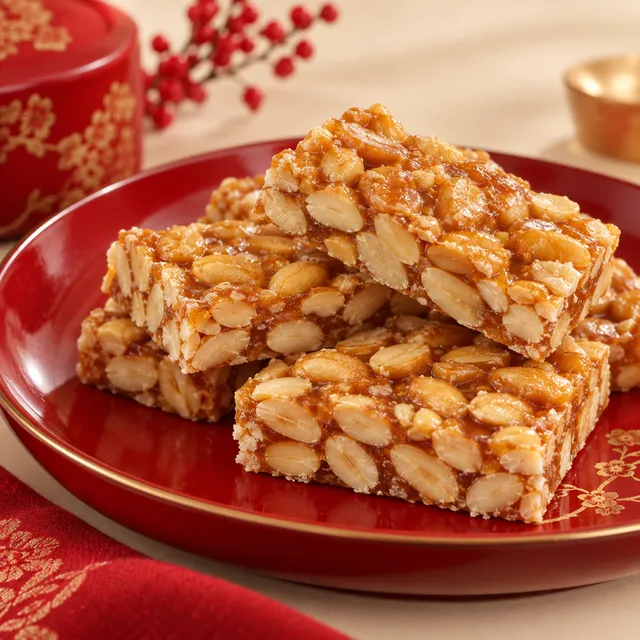
Peanut candies
花生糖
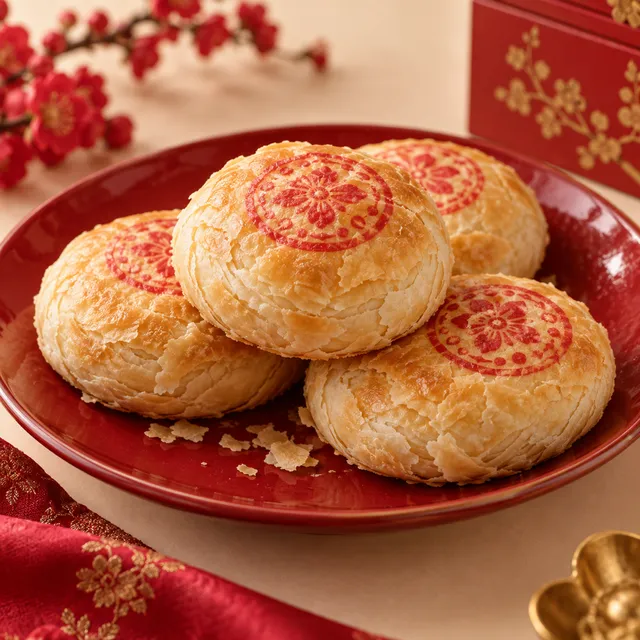
Lao bia (flaky pastries)
朥饼
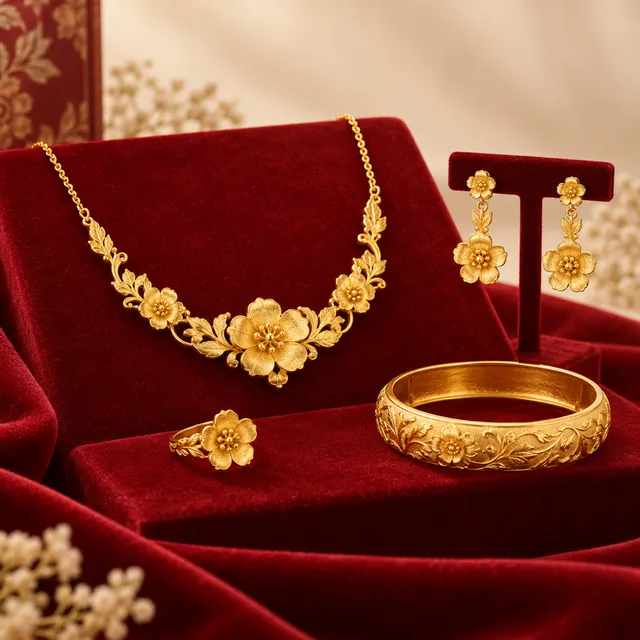
Si dian jin (four-piece gold set)
四点金
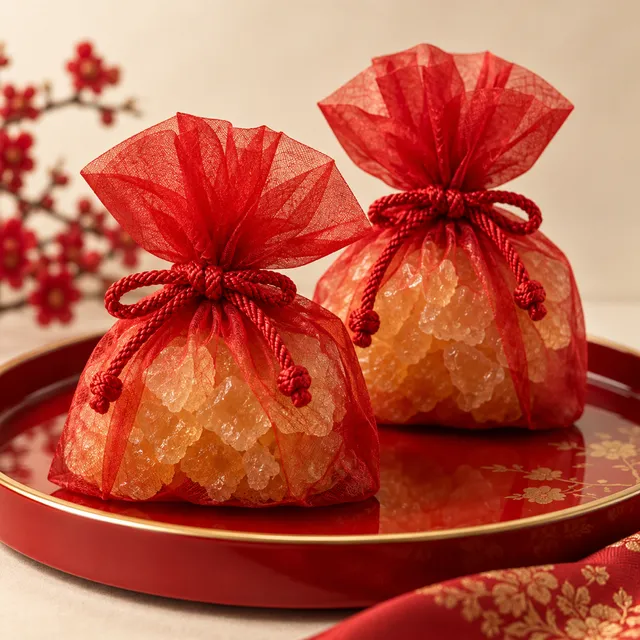
Sugar
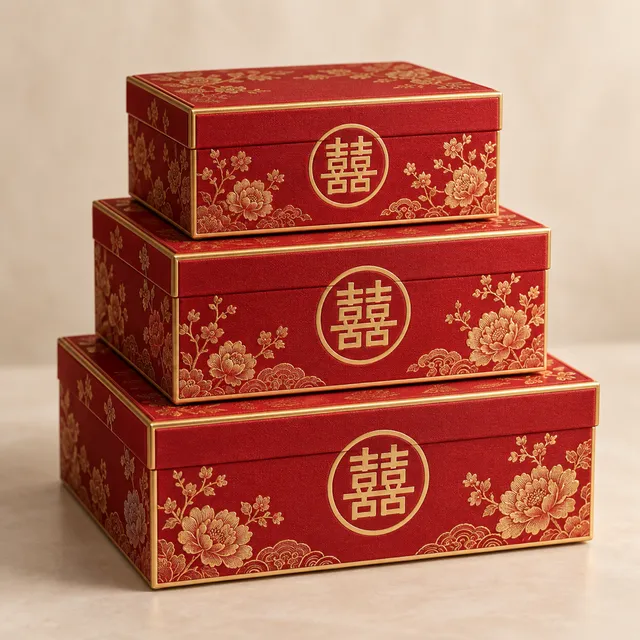
Red baskets or gift boxes
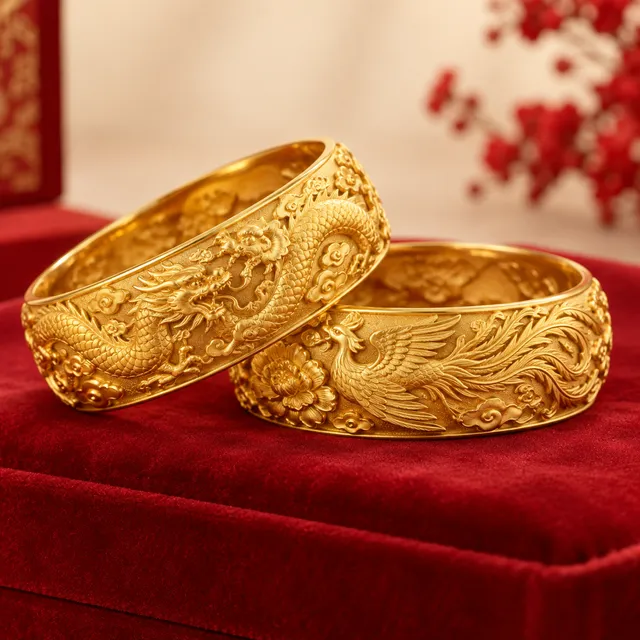
Dragon and phoenix bangles
龙凤镯
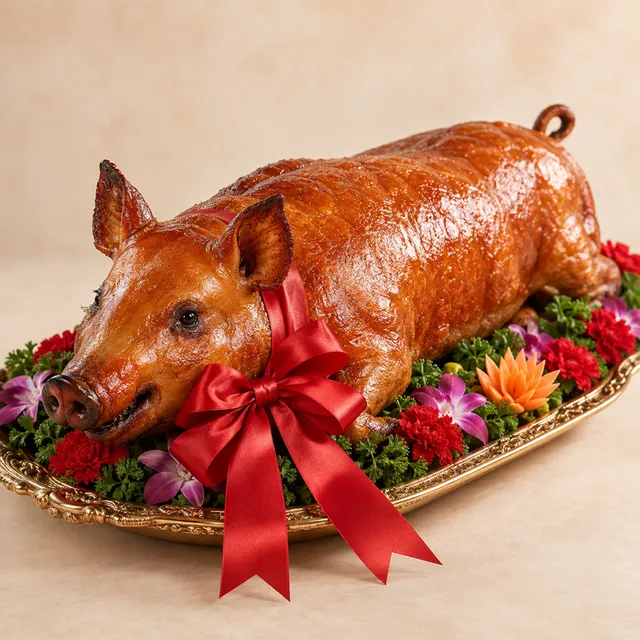
Roasted pig
烧猪
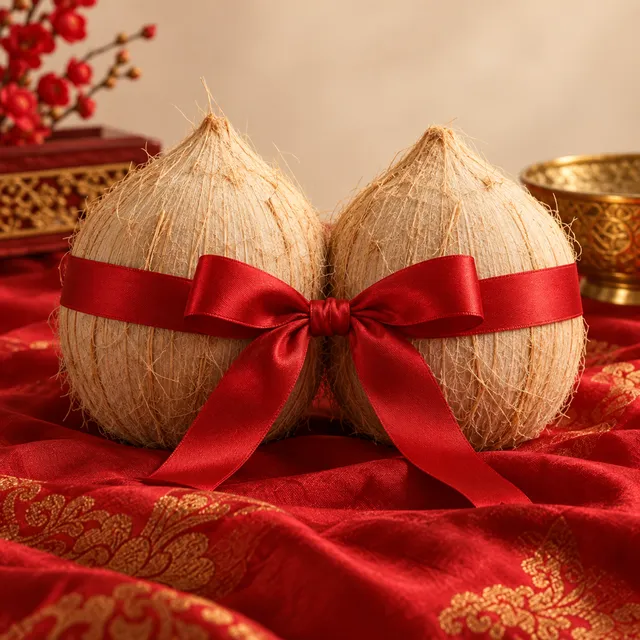
Coconuts
椰子
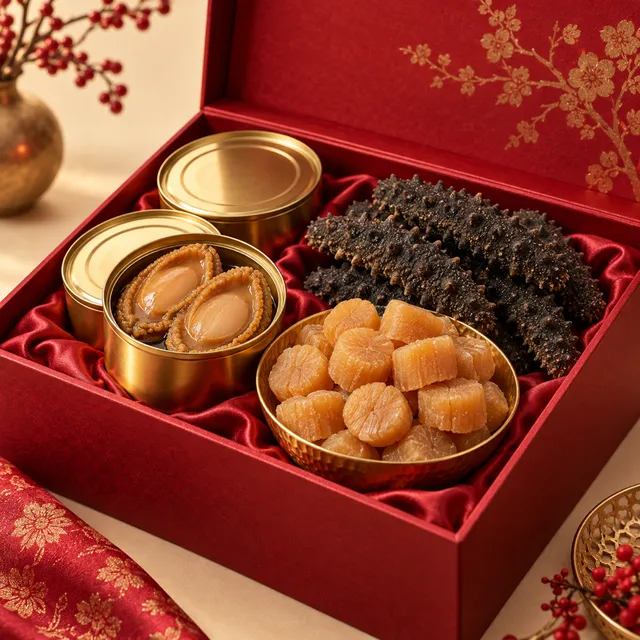
Dried seafood
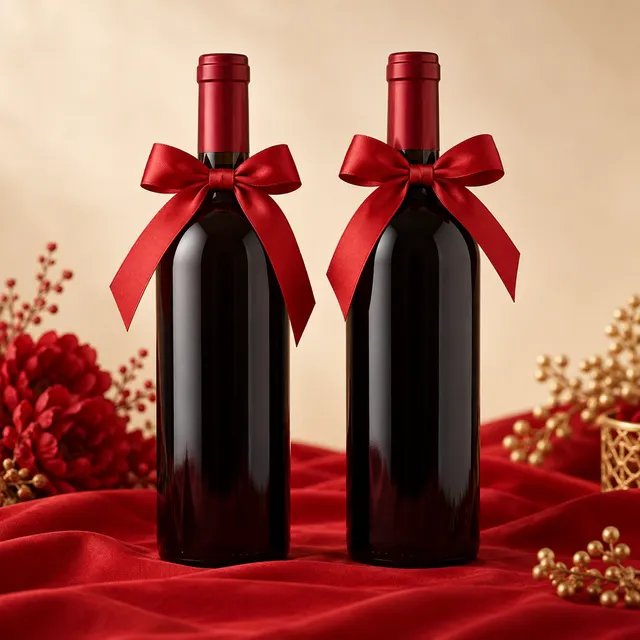
Wine or liquor
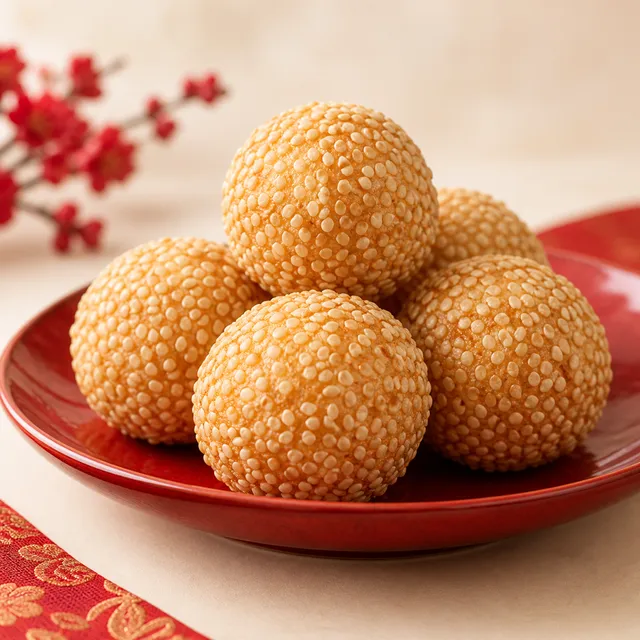
Hainan ginteh (sesame balls)
海南煎堆
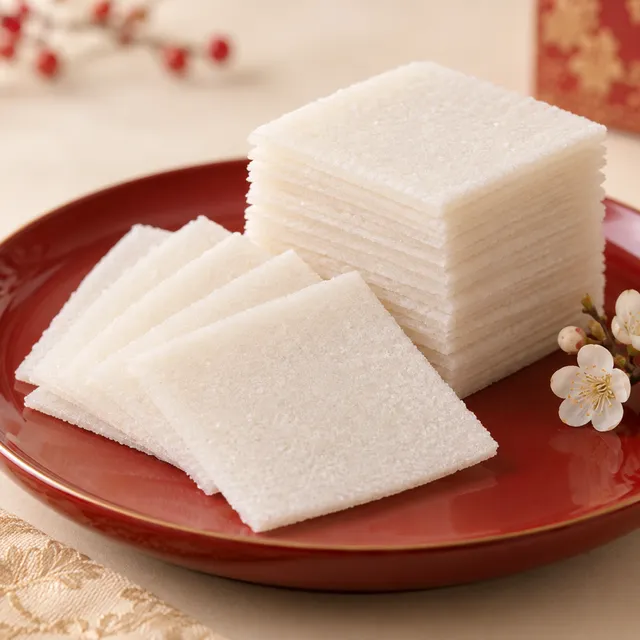
Ta yun pian (sliced rice cake)
云片糕
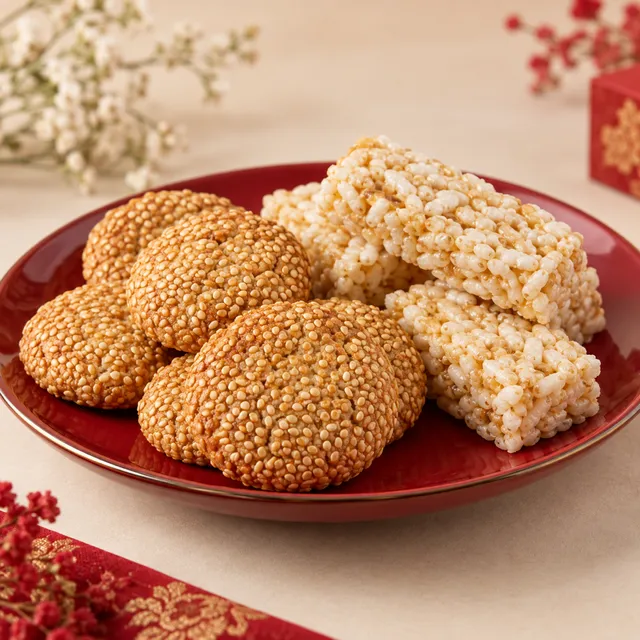
Rice and sesame biscuits
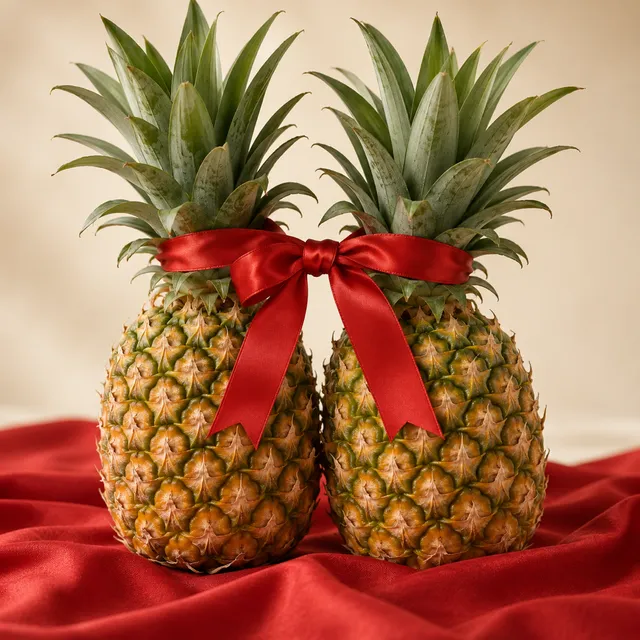
Pineapples
黄梨
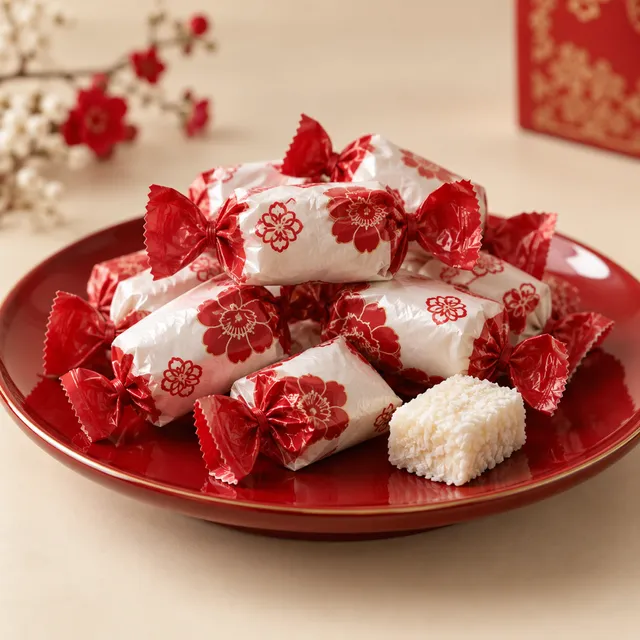
Coconut candies
椰子糖
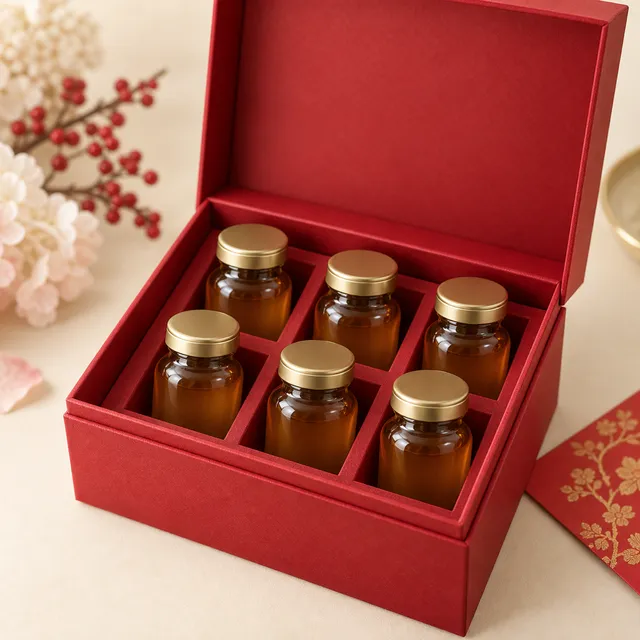
Chicken essence
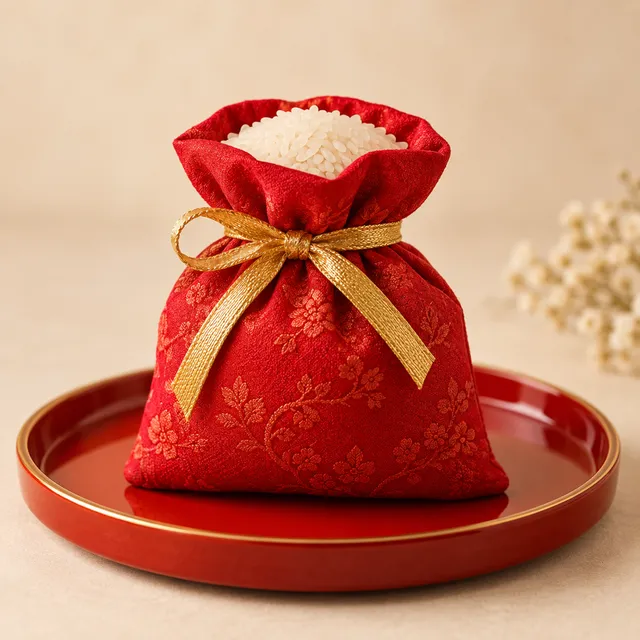
Rice
米
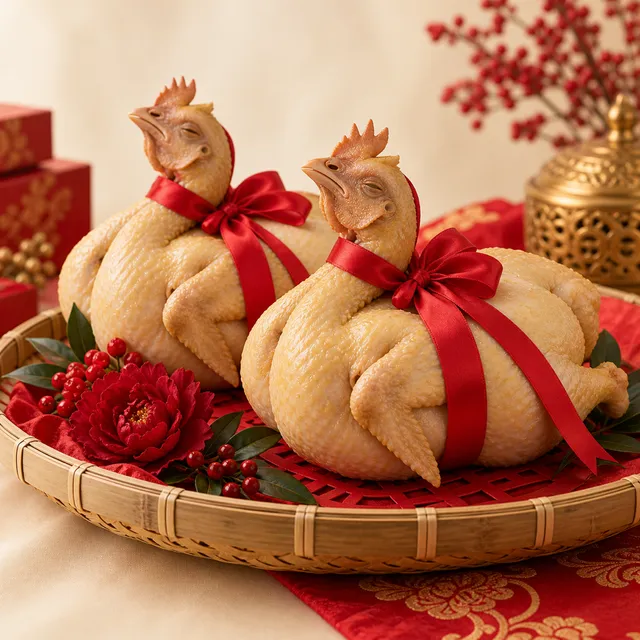
Chicken or duck
鸡/鸭
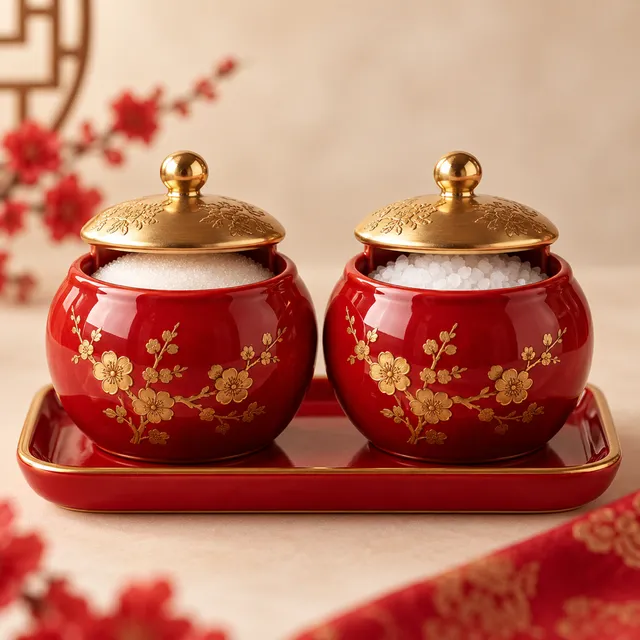
Sugar and salt
Her family returns (hui li)
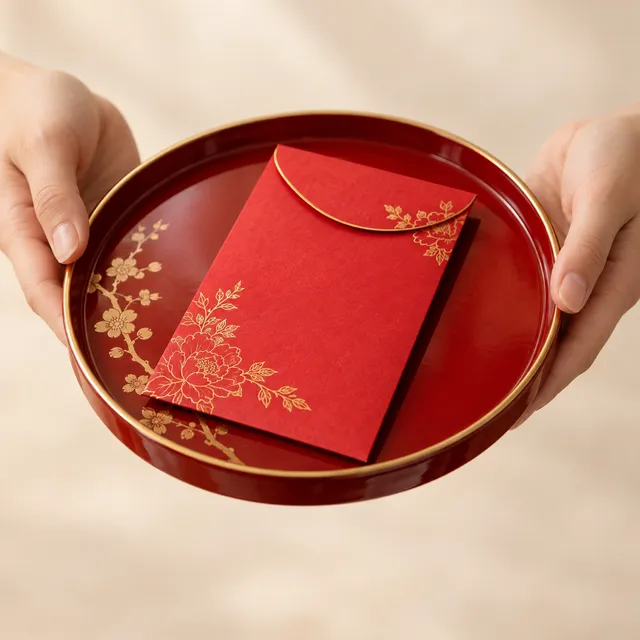
A portion of the pin jin
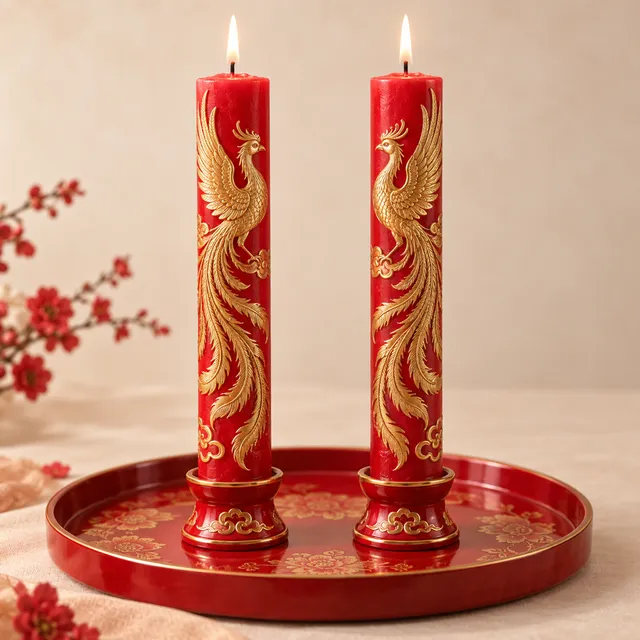
Phoenix candles
凤烛
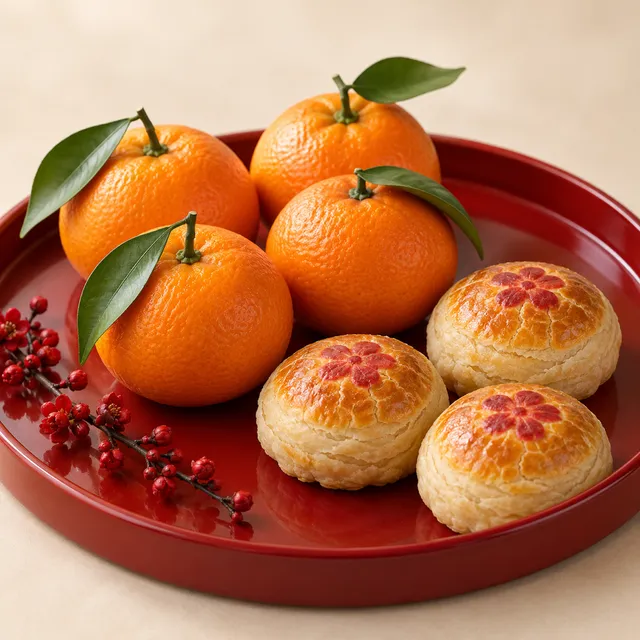
Half the oranges and some xi bing
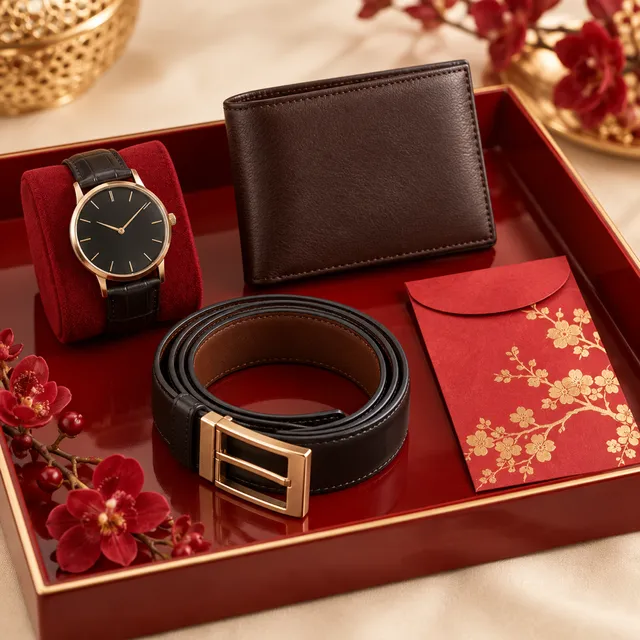
A gift for the groom
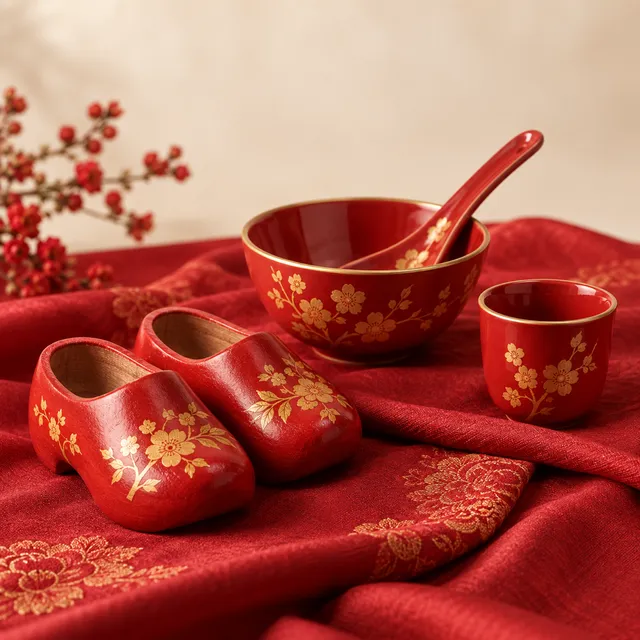
Baby prosperity set and mini clogs
Guo Da Li is the Chinese betrothal ceremony where the groom's family presents agreed gifts to the bride's family, which then returns a portion as Hui Li. In Singapore it is commonly held two to four weeks before the wedding, but the exact items depend on the bride's dialect group and both families' expectations.
The fastest way to plan it is to agree on four things before shopping: the dialect custom to follow, the date, the pin jin amount and who will prepare the Hui Li. Then use the checklist below rather than buying a generic “complete” package that may contain things your families do not need.
What Is Guo Da Li (过大礼)?
Guo Da Li is the traditional Chinese betrothal ceremony where the groom formally presents gifts to the bride's family, symbolising sincerity and the families' mutual commitment to the marriage. It forms part of the traditional “Three Letters and Six Etiquettes” (三书六礼). Hokkien, Teochew, Cantonese, Hakka and Hainanese families may use different pastries, jewellery and presentation items.
Guo Da Li literally translates to "presenting the grand gift."
Why does it matter? Beyond tradition, it's a meaningful moment for both families to come together. The groom shows his sincerity, the bride's family shows their acceptance, and everyone leaves feeling like this marriage has proper blessings behind it. Even if you're the most modern couple around, there's something nice about honouring the people who raised you.
When Should You Do Guo Da Li?
The ceremony typically takes place two to four weeks before your wedding day. Some families consult a feng shui master to pick an auspicious date based on both partners' ba zi (八字), while others choose a convenient weekend. If you are planning for August 2027, check the exact dates (2–31 August 2027) in our Ghost Month 2027 guide before confirming the family schedule.
A rough timeline:
| When | What to Do |
|---|---|
| 2–3 months before wedding | Discuss items list with both families, agree on pin jin amount |
| 1–2 months before | Purchase all Guo Da Li items, book package if using a vendor |
| 2–4 weeks before wedding | Hold the Guo Da Li ceremony |
| After Guo Da Li | Send out wedding invitations (traditionally, invites only go out after the betrothal) |
Who Attends the Ceremony?
Keep it intimate — this isn't a party. Here's who should be there:
- The groom (obviously)
- A matchmaker or senior female relative — she accompanies the groom to the bride's home. Ideally someone married, with children, and in good health (symbolising good fortune)
- The bride and her parents — receiving the gifts at home
- The groom's parents — they don't need to go to the bride's house, but some families prefer both sets of parents to be present
The Complete Guo Da Li Items Checklist
Every Guo Da Li ceremony includes some universal items, plus dialect-specific ones. Here's the baseline that applies across all dialect groups:
Universal Items (All Dialect Groups)
| Item | Chinese | Purpose |
|---|---|---|
| Pin jin (bride price) | 聘金 | Cash in a red packet — the amount is discussed and agreed upon by both families |
| Xi bing (wedding pastries) | 喜饼 | Traditional pastries for the bride's family to distribute to relatives |
| Oranges | 柑 | Symbolise gold/wealth; an even number, commonly 4, 8 or 12 oranges |
| Dragon and phoenix candles | 龙凤烛 | Dragon = wealth for groom, phoenix = grace for bride |
| Dried goods assortment | 干货 | Red dates (红枣), dried longan (桂圆), lotus seeds (莲子), lily bulbs (百合) — all symbols of fertility and harmony |
| Betrothal baskets/trays | 礼篮 | To present the gifts in; style differs by dialect |
| Jewellery for the bride | 首饰 | Si Dian Jin or bangles, depending on dialect |
Pin Jin (聘金) — How Much?
There is no official or “correct” pin jin amount. It is a private family decision, often expressed as an auspicious even number. Agree on a figure that the groom's family can give comfortably and clarify in advance whether the bride's family plans to return part of it as Hui Li.
The key is open communication. Most modern families discuss the amount beforehand so there are no awkward surprises. Some bride's families return part or all of the pin jin as part of Hui Li. Others keep it as a token of respect. No judgement either way.
Separate from pin jin, some families also include "diaper money" (奶妈钱) — a smaller red packet for the bride's mother, as a gesture of thanks for raising the bride.
Dialect Group Differences — What Makes Your Guo Da Li Unique
This is where it gets interesting. Each dialect group has its own twist on the ceremony, from the type of baskets used to the specific pastries included. If you're a mixed-dialect couple, go with the bride's dialect group — since the gifts are presented to her family.
Hokkien (福建) Guo Da Li
| Item | Details |
|---|---|
| Betrothal baskets | Red and black traditional baskets (礼篮) |
| Pig trotters | 猪脚 — a distinctive Hokkien item symbolising prosperity |
| Rice candies | 米香糖 — another Hokkien-specific treat |
| Mee sua (longevity noodles) | 面线 — symbolising long life together |
| Xi bing | Hokkien-style pastries |
| Jewellery | Pair of gold bangles (not necessarily dragon and phoenix motif) |
| Canned pork leg | Some families use this as a modern substitute for fresh pig trotters |
Hokkien note: Hokkien families are known for being relatively traditional with their Guo Da Li. The pig trotters are non-negotiable for many Hokkien families — they're said to symbolise a mother's effort in raising the bride.
Teochew (潮州) Guo Da Li
| Item | Details |
|---|---|
| Betrothal baskets | Ornate rattan baskets decorated with pomegranate and peony motifs |
| Peanut candies | 花生糖 — classic Teochew treat |
| Flaky pastries | 朥饼 (lao bia) — traditional Teochew pastry |
| Si Dian Jin | 四点金 — a set of four gold jewellery pieces (necklace, ring, earrings, bracelet/bangle) |
| Sugar | Symbolising a sweet life together |
| Pig trotters | Some Teochew families also include these |
Teochew note: The Si Dian Jin tradition is strongly associated with Teochew weddings and is one of the most recognisable elements. The four pieces of gold jewellery are worn by the bride during the wedding day itself. Teochew betrothal baskets are also particularly beautiful — many families keep them as heirlooms.
Cantonese (广东) Guo Da Li
| Item | Details |
|---|---|
| Betrothal baskets | Red baskets or modern gift boxes |
| Dragon and phoenix bangles | 龙凤镯 — the iconic Cantonese bridal jewellery |
| Roasted pig | 烧猪 — a whole roasted pig is a grand Cantonese tradition |
| Xi bing | Cantonese-style bridal pastries, often including lotus seed paste cakes |
| Coconut | 椰子 — symbolising "grandfather has a grandson" (有爷有子, a Cantonese wordplay) |
| Dried seafood | Abalone, sea cucumber, dried scallops — Cantonese families love their premium dried goods |
| Wine/liquor | Typically pairs of bottles |
Cantonese note: The whole roasted pig is iconic. If the bride is a virgin, traditionally the entire pig is presented. In modern practice, many families simply order a roasted pig as part of the package without attaching specific meaning to it. The dragon and phoenix bangles are a must-have for Cantonese brides.
Hakka (客家) Guo Da Li
| Item | Details |
|---|---|
| Betrothal baskets | Red baskets, typically simpler than Teochew styles |
| Dragon and phoenix bangles | 龙凤镯 — similar to Cantonese tradition |
| Chicken or duck | 鸡/鸭 — some Hakka families include poultry |
| Hakka-style pastries | Rice-based sweets and traditional snacks |
| Wine/liquor | Pairs of bottles, like Cantonese tradition |
| Sugar and salt | Representing the sweet and savoury aspects of married life |
Hakka note: Hakka Guo Da Li tends to be similar to Cantonese in many ways, especially regarding the dragon and phoenix bangles. Hakka families are generally more flexible and may simplify the list based on practical considerations.
Hainanese (海南) Guo Da Li
| Item | Details |
|---|---|
| Betrothal baskets | Red and black baskets — Singapore wedding shops pack Hainanese sets alongside Hokkien ones |
| Hainan ginteh | 海南煎堆 (jian dui) — deep-fried glutinous rice balls coated in sesame; the Hainanese signature pastry |
| Ta yun pian | 云片糕 (yun pian gao) — thin steamed sliced rice cake; with the ginteh, symbolises an abundance of wealth |
| Peanut candy, rice and sesame biscuits | The everyday sweets shared with Hokkien sets |
| Pig trotters | Canned, typically 6, 8 or 12 cans |
| Pineapples | 黄梨 — a common auspicious fruit in Hainanese family lists, usually a pair |
| Longevity noodles | 长寿面 — a long and blessed marriage; family lists often ask for four bundles |
| Coconut candies and coconuts | 椰子糖 — a sweet that appears in some Hainanese sets; coconuts for their auspicious meaning |
| Chicken essence and rice | Health and vitality; stability and wealth |
Hainanese note: Hainanese families are often described as keeping the list simple — and some do not include si dian jin at all, so ask before buying gold. The two confections are the heart of it: no ginteh and yun pian gao, no Hainanese guo da li. Specialist shops sell Hainanese packages; if yours groups them with Hokkien, check the pastries are swapped.
Quick Comparison Table
| Item | Hokkien | Teochew | Cantonese | Hakka | Hainanese |
|---|---|---|---|---|---|
| Signature jewellery | Gold bangles | Si Dian Jin (4 pieces) | Dragon & phoenix bangles | Dragon & phoenix bangles | Often modest; si dian jin optional |
| Signature food | Pig trotters, rice candies | Flaky pastries, peanut candies | Whole roasted pig, coconut | Chicken/duck | Ginteh, yun pian gao, pineapples |
| Basket style | Red & black | Ornate rattan with motifs | Red baskets/boxes | Red baskets | Red & black |
| Dried seafood emphasis | Moderate | Moderate | High | Moderate | Low |
Hui Li (回礼) — What the Bride's Family Returns
After receiving the Guo Da Li gifts, the bride's family returns a portion as Hui Li (回礼) to show goodwill and acceptance. This typically includes:
| Item | Details |
|---|---|
| Return portion of pin jin | Some families return half or a portion in a red packet |
| Phoenix candles | 凤烛 — the groom's family lights these on the wedding morning |
| A portion of the oranges | Usually half |
| Some xi bing | Returned for the groom's family to distribute |
| Watch, wallet, or cufflinks | A gift for the groom |
| Belt or clothing for the groom | Symbolising the bride's family "dressing" the groom |
| Red packet | A token blessing for the groom |
The Hui Li is a gracious gesture. The specific items returned vary by family, but the spirit is always the same — "we accept you, and we're giving you our blessings too."
Modern Adaptations — What Couples Skip Today
Let's be real: not every tradition translates perfectly into modern life. Here's what many modern couples are adjusting:
Commonly simplified or skipped:
- Dressing table and furniture as part of the dowry — most couples already have their BTO furnished
- Full sets of new clothes and toiletries for the groom's relatives — rarely practised today
- Towels for relatives — pretty outdated
- Fresh pig trotters — many use canned alternatives or skip entirely
- Whole roasted pig — some Cantonese families now opt for a smaller portion or skip it
Still going strong:
- Si Dian Jin and dragon/phoenix bangles — jewellery is not going anywhere
- Pin jin — the core of Guo Da Li
- Xi bing — families still love distributing these
- Tea and bowl ceremony sets — practical and meaningful
- Baby prosperity set and mini clogs — cute keepsakes
- Dragon and phoenix candles — even if you don't light them
The modern approach: Many couples now buy a simplified Guo Da Li package that covers the essentials, then add specific items based on what both families agree on. Communication between families is the real key — not the number of baskets.
Where to Buy Guo Da Li Items in Singapore
Chinatown (Best for Traditional Shopping)
The go-to spot is along Chinatown's Smith Street, Pagoda Street, and Sago Street, where traditional wedding shops have been operating for decades. You'll find betrothal baskets, candles, dried goods, and pastries all in one area. The uncles and aunties there know exactly what each dialect group needs — just tell them your bride's dialect and they'll sort you out.
Online Guo Da Li Packages
For convenience, several vendors offer all-in-one packages:
- The Chinese Wedding Shop (thechineseweddingshop.com.sg and five heartland stores) — packages for each dialect group
- Eternal Red Bonds — popular for curated Guo Da Li sets with delivery
- Chang Jiu (changjiu.sg) — simplified and full dialect betrothal packages
- Shopee & Carousell — various sellers offering individual items or bundles
Rough Pricing Guide
Prices vary depending on the vendor, quality of items, and how elaborate you go. We checked these on vendors' own websites on 30 September 2026. None had published separate 2027 prices, so use them for a 2027 wedding too, and confirm when you order:
| Component | Estimated Price Range |
|---|---|
| Simplified or essentials package | S$80–S$270 |
| Fuller dialect package | S$180–S$560 |
| Si Dian Jin (4 gold pieces) | S$3,000–S$13,000 for most sets; S$13,000–S$22,000+ for heavier gold sets |
| Dragon and phoenix bangle (one, about 20 g) | S$4,000–S$10,000+ (a solid 916/999 gold bangle) |
| Xi bing (pastries) | S$12–S$40 per box |
| Whole roasted pig (Cantonese) | S$250–S$700, depending on size |
| Betrothal baskets (traditional) | Rental about S$40–S$70 per basket plus a refundable deposit (many packages include a 3-day loan); buying your own S$140–S$500 |
Total cost excluding jewellery and pin jin: Expect to budget around S$300–S$1,000 for a package plus pastries (our estimate from the ranges above), or S$550–S$1,700 if you add a whole roast pig. The jewellery and pin jin are the big-ticket items and depend entirely on family discussions.
Prices checked on vendors' own websites in September 2026, when SK Jewellery's retail gold price was S$223/g for 916 gold. Gold prices move daily, and popular dates book up (one shop's baskets were fully booked from 9 to 13 September 2026), so confirm current rates and order early.
Frequently Asked Questions
What if the bride and groom are from different dialect groups?
Follow the bride's dialect group for the Guo Da Li items, since the gifts are presented to her family. If you're unsure, have both mothers discuss it — they'll usually work it out.
Can we do a simplified Guo Da Li?
Absolutely. Many modern couples opt for a simplified version with just the essential items. The most important thing is that both families are comfortable and in agreement. Some couples keep just the pin jin, xi bing, jewellery, and oranges. Others go all out. There's no wrong way as long as everyone's on the same page.
Do we need a matchmaker for Guo Da Li?
Traditionally, a matchmaker (媒人) or a senior female relative with good fortune accompanies the groom. In modern Singapore, it's common to ask an aunt or older female relative who's happily married with kids. If you don't have anyone suitable, some families skip this or ask a close family friend.
What happens to the Guo Da Li items after the ceremony?
The bride's family keeps most items. Some are consumed (pastries, dried goods), some are displayed during the wedding (candles, baskets), and the jewellery is worn by the bride. The items returned as Hui Li go to the groom's family. Some families donate or pass along the dried goods they don't use.
Is pin jin mandatory? What if we can't afford a large sum?
Pin jin is about sincerity, not showing off wealth. The amount should be a comfortable figure agreed upon by both families. Some families choose an auspicious figure such as S$888 or S$1,888. Others treat it as a gesture with the understanding that the bride's family will return most of it. Have an honest conversation early — most reasonable families care more about the respect shown than the dollar amount.
Should we hire a photographer for Guo Da Li?
It's increasingly popular! The ceremony is a beautiful, meaningful moment, and many couples now include Guo Da Li coverage in their wedding photography package. If your budget allows, it's a lovely way to document this milestone — you'll be glad you have those photos of both families coming together.
Planning your Guo Da Li and feeling overwhelmed? Take a deep breath. Start with the dialect group checklist above, have an open conversation with both families, and remember — at the heart of it all, this ceremony is about love, respect, and two families becoming one. You've got this.
Related Guides
- Chinese Tea Ceremony Guide Singapore — the next major tradition after Guo Da Li, held on your wedding day
- Auspicious Wedding Dates in Singapore — picking a favourable date for your betrothal ceremony, not just the wedding
- Wedding Planning Checklist & Timeline Singapore — where Guo Da Li fits in your full 12-month planning countdown
- Wedding Ang Bao Rates in Singapore — understanding monetary gifts in Chinese wedding culture, including pin jin context
The tool for this step
Plan your Guo Da Li
The items for your dialect, the date both families agree on, and who brings what — in a free checklist built around your wedding date.
Related Guides
Si Dian Jin Singapore Guide 2026/2027: Meaning, Prices, Modern Styles, Gold Choices and Family Etiquette
Buying Si Dian Jin in Singapore? Learn the meaning, 2026/2027 prices, gold types, modern styles, timing and family etiquette before Guo Da Li.
Wedding Dowry Traditions Singapore 2026/2027
Understand Singapore wedding dowry traditions, Guo Da Li items, pin jin etiquette, return gifts, costs, and modern family expectations.
Hair Combing Ceremony Singapore 2026/2027
Plan a Singapore hair combing ceremony with timing, items, blessings, family roles, costs, and modern tips for Chinese weddings.